Sanjay Gandhi National Park

About

Sanjay Gandhi National Park is a unique natural reserve located within the bustling limits of Mumbai, offering an extraordinary blend of dense forest, wildlife habitats, heritage structures, and recreational spaces.

Spanning approximately 103 sq. km, Sanjay Gandhi National Park forms the northern green belt of the city and plays a critical role in maintaining Mumbai’s ecological balance.

  • 🌳 Established in 1969 as Borivali National Park and renamed in 1981

  • 🌿 Part of the Western Ghats, a recognised biodiversity hotspot

  • πŸ† Home to leopards, deer, monkeys, reptiles, butterflies, and birdlife
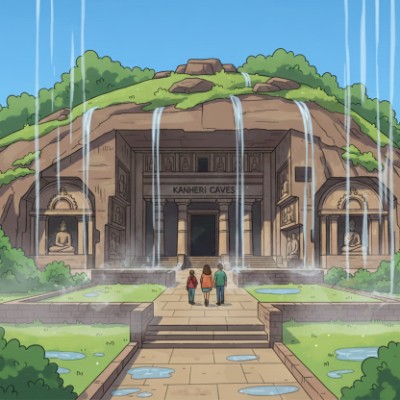
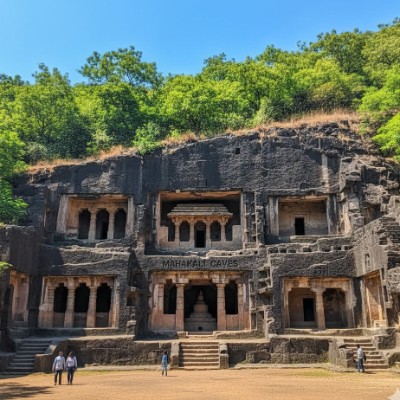
  • πŸ›• Houses the ancient Kanheri Caves dating back to the 1st century BCE

  • 🚴 Popular for safaris, trekking, cycling, jogging, and nature trails

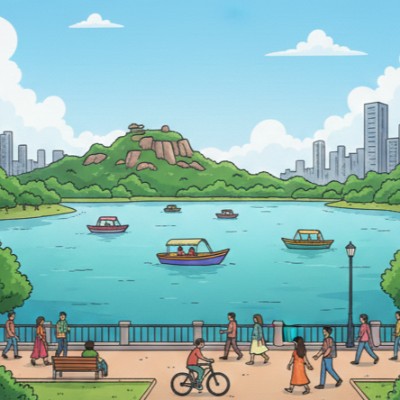
  • πŸ’§ Contains Tulsi Lake and Vihar Lake, vital water sources for Mumbai

Sanjay Gandhi National Park is widely known as the green lungs of Mumbai, representing a rare coexistence of urban life and protected wilderness.

Sanjay Gandhi National Park

History

The history of Sanjay Gandhi National Park is closely linked to the natural and cultural evolution of northern Mumbai. The forested landscape that forms the park today was historically part of the vast Salsette Island forest belt, which once covered large areas of present-day Mumbai and its suburbs.

  • 🌿 Officially declared as Borivali National Park in 1969
  • 🏞️ Renamed Sanjay Gandhi National Park in 1981
  • πŸ›• Home to the Kanheri Caves dating back to the 1st century BCE
  • πŸ“œ Kanheri Caves functioned as monasteries and centres of learning
  • 🌳 Established to protect forest land from rapid urban expansion


Over the decades, Sanjay Gandhi National Park has transformed into a symbol of urban conservation, preserving wildlife and heritage within one of India’s most densely populated cities.


Wildlife & Biodiversity

Sanjay Gandhi National Park is one of the most important biodiversity zones within an urban landscape in India. Spread across approximately 103 sq. km, the park supports a rich variety of wildlife and plant species, making it a vital ecological refuge within Mumbai.

  • πŸ† Leopards adapted to urban forest conditions
  • 🦌 Wildlife includes spotted deer, sambar, barking deer, and wild boars
  • πŸ’ Common sightings of langurs and rhesus monkeys
  • πŸ¦… Rich birdlife including eagles, kingfishers, owls, and parakeets
  • 🌿 Moist deciduous forests, bamboo groves, and medicinal plants
  • πŸ¦‹ Diverse butterflies, insects, amphibians, and small mammals


Located within the Western Ghats, Sanjay Gandhi National Park plays a key role in conserving biodiversity while maintaining Mumbai’s environmental and ecological balance.


Kanheri Caves – Heritage Significance

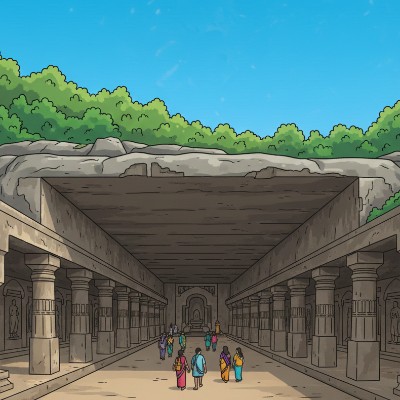
The Kanheri Caves are one of the most remarkable heritage attractions within Sanjay Gandhi National Park and represent an important chapter in the religious and cultural history of western India. Carved into basalt rock, these ancient Buddhist caves date back to the 1st century BCE.

  • πŸ›• Consists of viharas and chaityas used by Buddhist monks
  • πŸͺ¨ Basalt rock-cut architecture of the Western Deccan region
  • πŸ’§ Ancient water cisterns showcasing advanced water management
  • πŸ“œ Stone inscriptions and sculpted facades
  • 🏞️ Elevated location offering forest and lake views
  • πŸ“š Functioned as a centre of learning and meditation


Today, the Kanheri Caves remain one of the most visited highlights of Sanjay Gandhi National Park, blending history, spirituality, and natural beauty.


🦁 Safaris & Key Attractions πŸ…

Safaris and organised attractions form an important part of the visitor experience at Sanjay Gandhi National Park, allowing people to explore wildlife in a controlled and educational environment.

  • 🦁 Lion safari with guided vehicle access
  • πŸ… Tiger safari offering safe wildlife viewing
  • 🚴 Forest roads popular for cycling and jogging
  • 🌳 Guided nature trails focusing on flora and fauna
  • 🏞️ Scenic viewpoints and forest immersion zones
  • 🧺 Picnic areas suitable for families and groups


These attractions help balance conservation efforts with public access, making Sanjay Gandhi National Park a key eco-tourism destination within Mumbai.

Nature Trails, Trekking & Cycling

Nature trails, trekking routes, and cycling tracks are among the most popular activities at Sanjay Gandhi National Park, attracting fitness enthusiasts and nature lovers from across Mumbai.

  • πŸ₯Ύ Guided nature trails highlighting flora, insects, and birdlife
  • 🌿 Trekking routes through forest paths and natural clearings
  • 🚴 Cycling tracks on wide internal park roads
  • πŸŒ… Early mornings ideal for cycling and jogging
  • πŸ“Έ Excellent opportunities for nature photography
  • 🌳 Eco-friendly activities promoting sustainable tourism


These experiences allow visitors to explore Sanjay Gandhi National Park at a relaxed pace while appreciating its natural and ecological richness.


Lakes & Ecological Importance

Sanjay Gandhi National Park plays a crucial role in Mumbai’s ecological and water systems due to the presence of Tulsi Lake and Vihar Lake within its forest boundaries.

  • πŸ’§ Tulsi Lake and Vihar Lake supply drinking water to Mumbai
  • 🌿 Forest cover helps regulate rainfall and prevent soil erosion
  • 🐦 Supports aquatic life and bird habitats
  • 🌧️ Seasonal streams contribute to the regional watershed
  • 🌑️ Helps regulate temperature and improve air quality
  • 🌳 Acts as a buffer against urban expansion


As part of the Western Ghats, Sanjay Gandhi National Park is essential for sustaining ecological balance and environmental health in Mumbai.


Best Time to Visit πŸ•°οΈ

The best time to visit Sanjay Gandhi National Park is during the cooler and greener months when outdoor activities are more comfortable.

  • πŸ‚ October to February – Pleasant weather for safaris, trekking, and cycling
  • 🌧️ June to September – Lush greenery and scenic views during monsoon
  • β˜€οΈ March to May – Warm weather, suitable for early morning visits
  • πŸŒ… Early mornings recommended to avoid crowds
  • πŸ“Έ Seasonal changes offer varied photography opportunities


Choosing the right season enhances the overall experience at Sanjay Gandhi National Park while ensuring comfort and safety.


Entry Fees & Timings

Entry to Sanjay Gandhi National Park is regulated to ensure visitor safety and conservation of its forest ecosystem.

  • ⏰ Early morning opening hours for walking, jogging, and cycling
  • 🎟️ Separate entry fees for adults, children, and vehicles
  • 🦁 Additional charges for lion and tiger safaris
  • πŸ›• Separate tickets for Kanheri Caves access
  • πŸ“Έ Extra charges may apply for cameras
  • πŸ“… Weekends and holidays are usually crowded


Visitors are advised to check official sources for updated timings and fee structures before planning their visit to Sanjay Gandhi National Park.


How to Reach πŸšŒπŸš‡

Sanjay Gandhi National Park is well connected to different parts of Mumbai through rail, road, and public transport.

  • ✈️ By Air:
    Chhatrapati Shivaji Maharaj International Airport is around 15 to 20 km away, with taxi and bus options available

  • πŸš† By Train:
    Borivali Railway Station on the Western Line is the nearest station

  • πŸ›Ί Auto-rickshaws and taxis from Borivali station offer low-cost access

  • 🚌 By Road:
    BEST buses operate regular services to Borivali East and West
  • πŸš— Private vehicles and cabs are accessible via the Western Express Highway

  • πŸ…ΏοΈ Parking facilities are available near park entry gates


Reaching Sanjay Gandhi National Park is convenient and affordable, making it an easy day trip within Mumbai.

Food Options / Food Courts Nearby 🍽️

Food options are available near the entry points of Sanjay Gandhi National Park, especially around Borivali East and Borivali West.

  • 🍡 Local stalls offering tea, snacks, and refreshments
  • πŸ₯— Vegetarian food options easily available
  • πŸ— Non-vegetarian restaurants in Borivali West
  • 🍽️ Casual dining restaurants and nearby food courts
  • πŸ’° Budget to mid-range pricing options
  • 🚫 Limited food availability inside the park to protect wildlife


Visitors are encouraged to plan meals in advance and avoid carrying excess food inside Sanjay Gandhi National Park.


Rules, Safety & Guidelines

Sanjay Gandhi National Park follows strict rules and safety guidelines to protect wildlife, the forest ecosystem, and visitors.

  • 🚫 Do not feed animals or disturb wildlife
  • πŸ—‘οΈ Avoid littering and damaging plants
  • πŸ”‡ Loud music and alcohol are not permitted
  • πŸ“Έ Photography allowed only in permitted areas
  • 🚢 Stay within designated trails and zones
  • πŸ›‘ Follow instructions from forest officials and guides


Responsible behaviour ensures safety while helping preserve Sanjay Gandhi National Park as a protected natural space within Mumbai.


Tips & Hacks for Visitors

Planning ahead can greatly enhance a visit to Sanjay Gandhi National Park.

  • πŸŒ… Visit early in the morning for fewer crowds and cooler weather
  • πŸ“… Weekdays are less crowded than weekends
  • πŸ‘Ÿ Wear comfortable shoes for trekking and cycling
  • πŸ’§ Carry sufficient drinking water
  • 🎟️ Book safari and trail tickets in advance during peak seasons
  • πŸ”‡ Maintain silence and respect wildlife


These tips help ensure a safe, enjoyable, and responsible experience at Sanjay Gandhi National Park.


Fun Facts 🎈

Sanjay Gandhi National Park has several fascinating facts that highlight its uniqueness.

  • 🌍 One of the largest national parks located within a major city worldwide
  • πŸ›• Home to the ancient Kanheri Caves over 2000 years old
  • πŸ† Leopards here have adapted to an urban environment
  • πŸŽ₯ Frequently used as a filming location for Indian cinema
  • πŸ’§ Protects lakes that supply drinking water to Mumbai
  • 🌳 Combines wildlife, heritage, and urban life in one space


These facts make Sanjay Gandhi National Park a truly unique natural and cultural landmark.


Places Nearby Sanjay Gandhi National Park
Frequently Asked Questions
Q1: What is Sanjay Gandhi National Park in Mumbai known for?
A1: Sanjay Gandhi National Park in Mumbai is known for its vast forest area, rich wildlife, ancient Kanheri Caves, lion and tiger safaris, nature trails, and its unique status as a large national park located within a major metropolitan city.
Q2: Where is Sanjay Gandhi National Park located in Mumbai?
A2: Sanjay Gandhi National Park is located in Borivali East and Borivali West in Mumbai, Maharashtra, and forms the northern green belt of the city.
Q3: Why is Sanjay Gandhi National Park important for Mumbai?
A3: Sanjay Gandhi National Park is important for Mumbai as it acts as the city’s green lungs, supports biodiversity, regulates climate, and protects Tulsi Lake and Vihar Lake, which supply drinking water to the city.
Q4: What wildlife can be seen in Sanjay Gandhi National Park?
A4: Sanjay Gandhi National Park is home to leopards, spotted deer, sambar, wild boars, langurs, monkeys, reptiles, butterflies, and a wide variety of resident and migratory birds.
Q5: Are leopards found in Sanjay Gandhi National Park?
A5: Yes, Sanjay Gandhi National Park has a known population of leopards that live within the forest ecosystem and have adapted to the urban surroundings of Mumbai.
Q6: What are the Kanheri Caves inside Sanjay Gandhi National Park?
A6: The Kanheri Caves inside Sanjay Gandhi National Park are ancient rock-cut Buddhist caves dating back to the 1st century BCE, used as monasteries, meditation halls, and centres of learning.
Q7: Is cycling allowed inside Sanjay Gandhi National Park?
A7: Yes, cycling is allowed on designated internal roads of Sanjay Gandhi National Park, especially during early morning hours when traffic is restricted.
Q8: What activities can visitors do in Sanjay Gandhi National Park?
A8: Visitors to Sanjay Gandhi National Park can enjoy safaris, trekking, cycling, jogging, nature trails, wildlife observation, photography, picnics, and visits to the Kanheri Caves.
Q9: What is the best time to visit Sanjay Gandhi National Park?
A9: The best time to visit Sanjay Gandhi National Park is from October to February when the weather is pleasant, though early mornings are recommended throughout the year.
Q10: Is Sanjay Gandhi National Park suitable for family visits?
A10: Yes, Sanjay Gandhi National Park is suitable for families, offering safe attractions like safaris, picnic areas, cycling routes, and educational nature experiences.
Q11: How can one reach Sanjay Gandhi National Park by train?
A11: The nearest railway station to Sanjay Gandhi National Park is Borivali Railway Station on the Western Line of Mumbai, from where autos and buses provide easy access.
Q12: Are food options available inside Sanjay Gandhi National Park?
A12: Food options inside Sanjay Gandhi National Park are limited, but several eateries, food stalls, and restaurants are available near the Borivali entry points.
Q13: Is photography allowed in Sanjay Gandhi National Park?
A13: Photography is allowed in permitted areas of Sanjay Gandhi National Park, though restrictions may apply for certain zones and professional equipment.
Q14: Is Sanjay Gandhi National Park crowded on weekends?
A14: Yes, Sanjay Gandhi National Park tends to be crowded on weekends, public holidays, and school vacations, so early visits are recommended.
Q15: Why is Sanjay Gandhi National Park considered unique among national parks?
A15: Sanjay Gandhi National Park is unique because it is one of the largest national parks located entirely within a major city, combining wildlife, heritage, lakes, and urban life in Mumbai.